Free UK delivery · prices in GBP

Back care guide

Sciatica relief at home: a practical UK guide

Reviewed 29 September 2026 by the Vibraflex UK team, based on NHS guidance. General information, not medical advice.

Six things people try at home

  1. 1

    Keep moving gently

    Carry on with normal activities where you can, rather than resting in bed.

  2. 2

    Gentle exercises

    Regular, gentle movement or exercises from a physiotherapist.

  3. 3

    Hot or cold packs

    The NHS lists both. Use whichever feels more comfortable.

  4. 4

    Ask a pharmacist

    Get advice on suitable pain relief for you.

  5. 5

    Break up sitting

    Stand up and move regularly instead of sitting for long spells.

  6. 6

    Adjust your sleep

    A pillow between or under the knees can feel easier.

What sciatica is, in plain words

Sciatica is when the sciatic nerve, which runs from your lower back down the back of each leg, is irritated or compressed. It isn't a condition in itself but a description of symptoms. According to the NHS, common signs include:

  • pain that travels from the lower back or bottom down one leg, sometimes to the foot
  • tingling, "pins and needles" or numbness in the leg or foot
  • pain that can feel worse when moving, sneezing or coughing

1. Keep moving, gently

It's natural to want to lie still, but NHS advice is to carry on with normal activities as much as possible and do regular gentle exercise. Short, comfortable walks and standing up regularly tend to suit people better than long bed rest. Let pain guide you. This is not a case for pushing through.

2. Gentle exercises

Slow, gentle stretches can help you feel less stiff. If you have exercises from a physiotherapist, stick to those. Stop any movement that sends pain further down the leg or makes it sharply worse. See our gentle back stretches guide.

3. Warmth or cold?

The NHS lists hot or cold packs as something to try. Neither treats the nerve, so it comes down to what feels more comfortable.

WarmthCold pack
Often chosen forA tight, stiff lower back and bottomThe first day or two of a flare-up
How it tends to feelRelaxing and comfortingCooling and numbing
Session lengthAround 15–20 minutesUp to about 20 minutes, wrapped in a towel
AvoidNumb skin, sleeping with it onIce directly on the skin

Take extra care with heat if part of your leg or back feels numb, because you may not notice if it's too hot. More in our guide: heat or ice for back pain.

4. Break up long spells of sitting

Many people with sciatica find long periods of sitting uncomfortable. Sit back with your lower back supported, keep your feet flat, and get up to move every 30 minutes or so.

5. Sleeping with sciatica

Side sleepers often find lying on the less painful side with a pillow between the knees more comfortable. Back sleepers often prefer a pillow under the knees.

How long does sciatica last?

The NHS says sciatica usually gets better within 4 to 6 weeks, but it can last longer. See a GP if it hasn't improved after a few weeks, is getting worse, or is stopping you doing normal activities. In many areas you can also refer yourself to NHS physiotherapy.

What doesn't usually help

  • Long periods of bed rest
  • Sitting for hours without a break
  • Pushing through sharp pain or pain that spreads further down the leg
  • Products promising to "cure" sciatica. No belt, gadget or cream can promise that

For general back care, see our lower back pain relief guide.
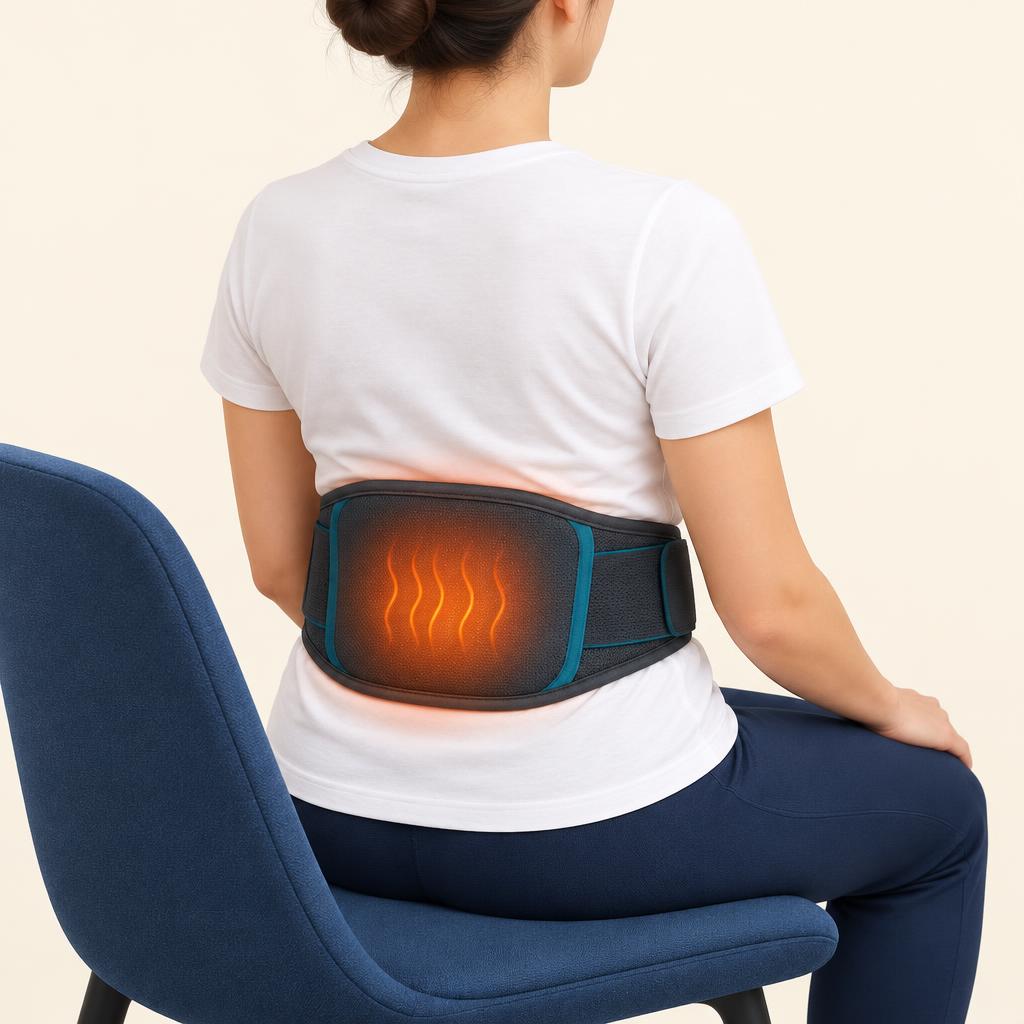
Vibraflex heated back massager belt worn on the lower back while seated

Where the Vibraflex fits

The Vibraflex Triple Method Back Massager is a comfort and relaxation device. It gives gentle warmth and vibration massage across your lower back during a 15-minute session, and it's cordless so you can relax in an armchair or at a desk.

It does not treat sciatica or the sciatic nerve, and it isn't a substitute for staying active or advice from your GP or physiotherapist. Don't use heat on numb skin, and check with your clinician first if you're under care.

Choose your packFrom £79 · free UK delivery · 30-day returns

General wellbeing information only. The Vibraflex Triple Method Back Massager is not a medical device and is not intended to diagnose, treat, cure or prevent any condition.

Vibraflex · UK

Explore Vibraflex packages

Free UK delivery in 2–4 working days. Prices include VAT.

Your order

2 Massagers · £138

£69 per massager — you save £20.

Checkout opens on Elomere Select (elomereselect.com), the connected store. Check the seller, delivery and final total before paying.

  • Free UK delivery2–4 working days
  • 30-day returnsChange of mind covered
  • Shopify checkoutOpens on Elomere Select
  • GBP pricesFinal total at checkout

See delivery and returns details.

Sciatica questions

Is heat good for sciatica?

The NHS lists hot or cold packs among things you can try at home. Many people find warmth comfortable on a tight lower back and buttock, while others prefer cold early in a flare-up. Heat does not treat the nerve itself. Stop anything that makes your symptoms worse.

Can I use a heated back massager with sciatica?

A heated, vibrating lumbar belt is a comfort device, not a sciatica treatment. Some people like gentle warmth across the lower back while they relax. Use a low setting over clothing, keep sessions short, avoid numb skin, and check with your GP or physiotherapist first if you are under care.

Is walking good for sciatica?

NHS guidance encourages carrying on with normal activities as much as possible and doing regular gentle exercise. Short, comfortable walks are a common way to do this. Let pain guide you and don't push through sharp or worsening symptoms.

What is the best sleeping position for sciatica?

There isn't one right position. Many side sleepers find a pillow between the knees more comfortable, and many back sleepers prefer a pillow under the knees. Experiment gently to find what suits you.

How long does sciatica usually last?

According to the NHS, sciatica usually gets better within 4 to 6 weeks, but it can last longer. See a GP if it isn't improving after a few weeks, is getting worse, or is stopping you from doing normal activities.

Should I see a physiotherapist for sciatica?

A GP may refer you to a physiotherapist, and in many areas of the UK you can self-refer to NHS physiotherapy. A physiotherapist can give exercises suited to you.

Can a pharmacist help with sciatica?

Yes. A pharmacist can advise on suitable over-the-counter pain relief for you and tell you when you should see a GP instead.

When is sciatica an emergency?

Call 999 or go to A&E if you have sciatica in both legs, numbness around or under your genitals or around your bottom, difficulty peeing or controlling your bladder or bowels, or severe or worsening weakness or numbness in your legs.

30-day returns, no fuss

Return it within 30 days of delivery if it isn't right for you. Your UK statutory rights are not affected.

Read returns information